






Placing Blame For Genocide / Guatemalan massacre survivors seek damages from dam financiers
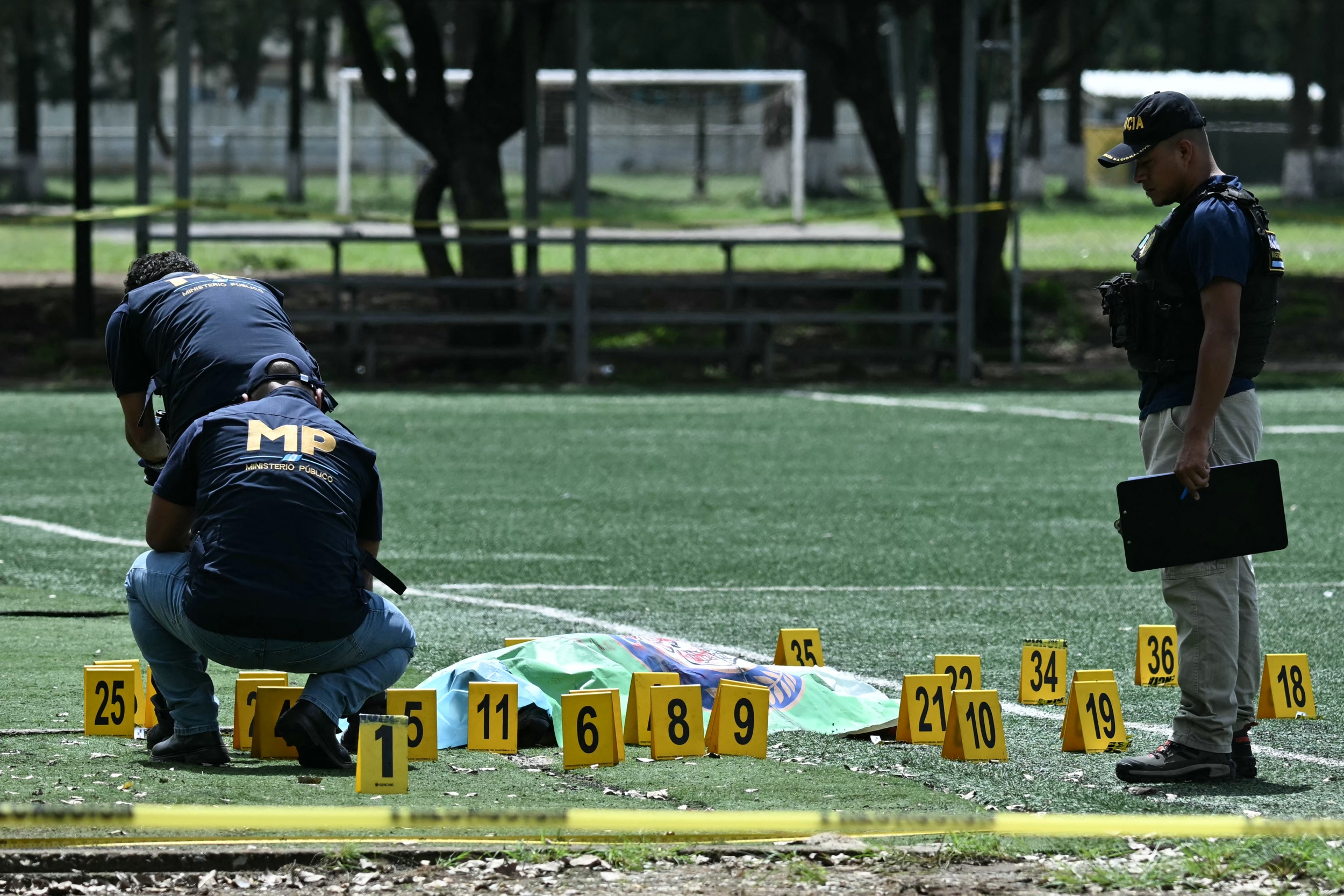
 Ten army soldiers and 25 civilian militia members killed 177 women and children, including Osorio's wife and newborn child, who was slashed in half with a machete. "The egregious social injustices that (Rio Negro residents and other displaced communities) have suffered formed an important part of our deliberations around the impact of large dams," said Deborah Moore, a member of the dam commission panel. Several U.S. and European human rights organizations have aided the committee, arguing that international human rights treaties support reparation claims of compensation for lost land, lives and culture. In the past, compensation has been awarded for human rights abuses to victims of the Holocaust, the dictatorship of Chile's Gen. Augusto Pinochet and Argentina's military 1976-'83 junta, the apartheid government of South Africa and California internment camps during World War II. The Rio Negro survivors say they will be the first victims moved by a large dam project to file for reparations under international human rights treaties. "With people on site in Guatemala, it would be hard not to know," said Harold Naiser, a member of the U.N. truth commission that investigated human rights abuses committed during the conflict. [...] these same critics say the bank shares responsibility since its resettlement policy for projects it funds promises the displaced that they will enjoy at minimum their former living standards. [...] villagers say the National Electrification Institute provided the minimum compensation for lost crops and livestock the soldiers and militiamen had carried off. [...] some of the institute-built houses are falling apart and the health clinic is currently closed because of a lack of funds to pay a doctor or buy medicine. Naiser, however, says the villagers have little chance of winning a legal judgment against the government in today's court system. "[...] the power of the military has effectively ended, the idea of justice is a vain hope," he said.

